Blog

Here we share current posts, ideas and specialist articles – compact, practical and directly from our everyday work.

AI in education: Getting started is not rocket science„

AI in education offers great opportunities – but how can one get started safely and effectively? Psychologist (B.Sc.) Peer Allendörfer, who advises companies on process optimization, provides practical answers.

Read more

Requirements analysis in aptitude diagnostics: the first step towards sound personnel selection

A sound personnel selection process doesn't begin with choosing a test, but with a thorough job analysis using aptitude diagnostics. Learn how a precise and scientifically sound selection process can be developed from the requirements of a position.

Read more

„Future Fit“ with the „Talent Life Cycle“

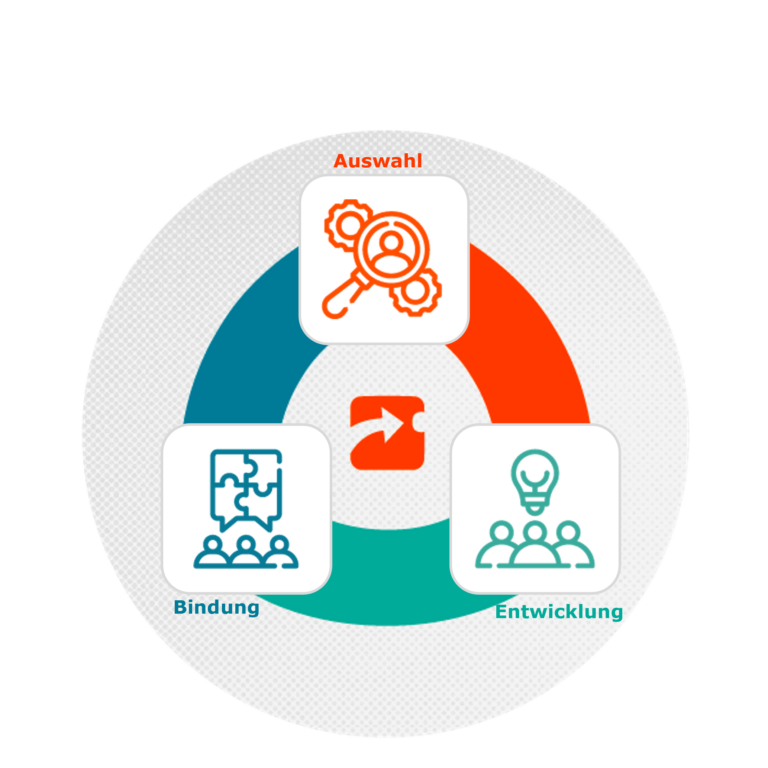
Human resources management in many companies currently feels like juggling a treadmill: skills shortages, AI, new competency requirements, generational change, rising expectations for leadership and development – and on top of all that, everything is supposed to become faster, fairer, more digital, and more human. It's a challenging task. But companies don't have to reinvent the wheel every time. Above all, they need a clear view of the entire talent life cycle. Because future-proof HR management doesn't begin with the job interview and doesn't end with the signing of the contract. It connects selection, onboarding, development, leadership, retention, and change management into a continuous process.


Read more

Onboarding

Apprenticeship start in 2026: Three creative onboarding tips to strengthen trust, orientation and development

For young people, the first day of their apprenticeship is much more than just "Day 1." It's a kind of internal stress test. Their brain scans: Am I being taken seriously? Am I allowed to ask questions without embarrassing myself? And, most importantly: Do I have a place here? Three creative onboarding ideas show how trainers can strengthen the trust, orientation, and development of their apprentices right from the start.

Read more

Anti-counterfeiting measures in the age of AI: Strategies for meaningful aptitude diagnostics

Artificial intelligence is fundamentally changing application and selection processes. This article shows why professional aptitude diagnostics are becoming more important despite AI, what risks can arise from AI support, pre-formulated answers, or deepfakes, and what technical, organizational, and methodological measures can be taken to ensure that online aptitude tests remain meaningful and falsifiable.

Read more

Identifying Future Skills: How companies identify the competencies of the future

Future skills are becoming increasingly important in the modern workplace. Companies should not only assess current specialist knowledge, but above all, identify learning abilities, adaptability, and social skills early on. This article shows which future skills are crucial, how they can be made visible in recruitment, and why modern personnel development should focus more than ever on potential rather than just qualifications.

Read more

Using brains instead of gut feeling – aptitude diagnostics as a success factor in modern recruiting

This article demonstrates why aptitude diagnostics are becoming increasingly important in modern recruiting. It highlights the limitations of gut feeling in personnel decisions, explains typical perceptual errors, and shows how scientifically sound methods help companies select suitable talent objectively, sustainably, and with a future-oriented approach.

Read more

Conducting effective training discussions: Developing the potential of trainees using coaching methods

How can coaching methods make training discussions more effective? Read about how active listening, targeted questions, and the promotion of self-responsibility contribute to sustainably strengthening the motivation, willingness to learn, and potential of trainees.

Read more

What does agility actually mean in concrete terms? An interview with Maximilian Rembser

Many organizations are discussing agile working as a response to an increasingly dynamic and complex work environment. But what exactly does agility mean, and how does it work in practice? Five concise questions for Max in this interview.

Read more

Making training quality visible – Interview with Andrea Milberg (AUBI-plus)

Making training quality visible – why is this crucial now? How can companies not only ensure the quality of their training internally, but also make it visible externally? Our interview with Andrea Milberg – Academic Director & Certification Expert at AUBI-plus – addresses precisely this question.

Read more

Insights and practical advice from our diagnostics team: Why is aptitude diagnostics more than just a selection process?

Insights and practical advice from our diagnostics team: Why is aptitude diagnostics more than just a selection process? An interview with Maja Krause, Viktoria Trinks, Susanne Sayer, Simone Weihrauch and Michaela Harbich (Aptitude Diagnostics Team of INFO GmbH)

Read more

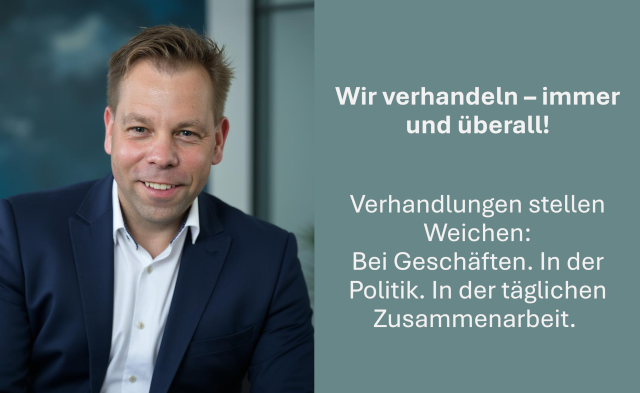
We negotiate – always and everywhere!

An interview with Volker Kleinert. Volker is a lecturer and trainer on the topic of "negotiation skills". At the same time, he brings unique experience from 19 years of police service, where he was, among other things, the first point of contact for hostage, suicide and threat situations, as well as a tactical security spokesperson.

Read more